Saudi Arabia Building Automation & Control System Market 2030: Industry Outlook
According to TechSci Research report, “Saudi Arabia Building Automation & Control System Market – By Region, Competition, Forecast and Opportunities, 2030F”, Saudi Arabia Building Automation & Control System Market was valued at USD 2.07 Billion in 2023 and is anticipated to project robust growth in the forecast period with a CAGR of 9.10% .
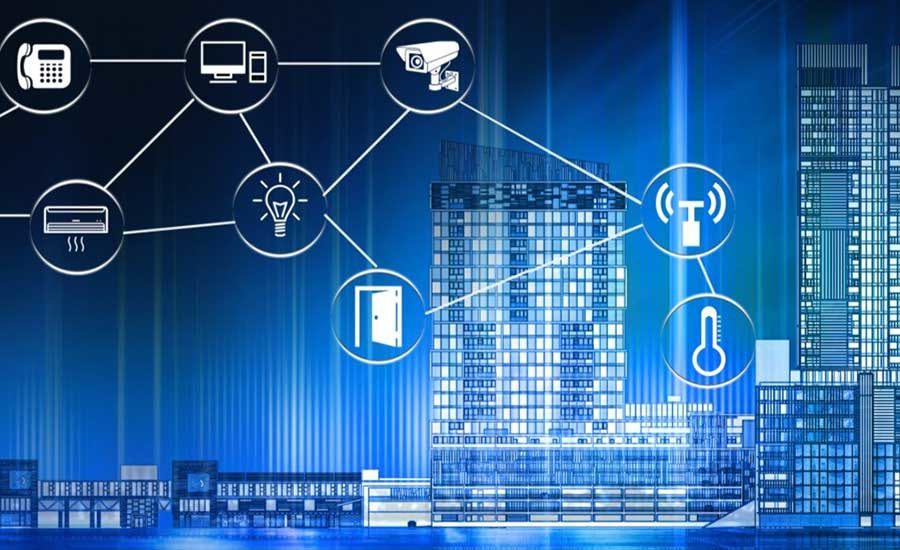
Building Automation & Control Systems are no longer optional technological upgrades; they have become essential components in modern infrastructure. These systems integrate and automate various building operations, including heating, ventilation, air conditioning (HVAC), lighting, energy management, and security. By leveraging advanced technologies such as IoT, artificial intelligence, and data analytics, BACS enable real-time monitoring, predictive maintenance, and enhanced operational efficiency.
Saudi Arabia’s rapid urbanization, expanding construction sector, and ambitious Vision 2030 initiatives are significantly contributing to the growth of this market. As the Kingdom continues to diversify its economy beyond oil, investments in smart cities, mega infrastructure projects, and sustainable buildings are creating a fertile ground for the widespread adoption of BACS solutions.
Request For Sample Copy of Report For More Detailed Market insight: https://www.techsciresearch.com/sample-report.aspx?cid=7675#requestform
Industry Key Highlights
Strong demand driven by energy efficiency and sustainability goals
Increasing adoption of IoT-enabled smart building technologies
Commercial sector dominates market share
Government initiatives such as Vision 2030 fueling growth
Rising investments in smart cities and green infrastructure
Integration of renewable energy systems with building automation
Key Market Drivers
1. Rising Focus on Energy Efficiency
Energy efficiency has become a central theme in Saudi Arabia’s development strategy. With increasing energy consumption across residential and commercial sectors, the need to optimize energy usage has become critical. Building Automation & Control Systems play a pivotal role in achieving this objective by enabling intelligent energy management.
BACS solutions optimize HVAC systems, lighting, and other energy-intensive operations, significantly reducing energy wastage. Advanced technologies such as demand-response systems and energy forecasting tools allow building operators to monitor consumption patterns and implement corrective measures in real time. This not only reduces operational costs but also aligns with the Kingdom’s sustainability goals.
2. Government Initiatives and Vision 2030
Saudi Arabia’s Vision 2030 is a transformative roadmap aimed at diversifying the economy and promoting sustainable development. The initiative emphasizes smart cities, digital infrastructure, and green buildings, all of which heavily rely on advanced automation systems.
Government-backed projects such as NEOM, The Red Sea Project, and Qiddiya are integrating state-of-the-art building automation technologies from the ground up. Additionally, regulatory frameworks encouraging energy efficiency and environmental sustainability are compelling developers to adopt BACS solutions.
3. Growth in Construction and Infrastructure Development
The Kingdom is witnessing an unprecedented boom in construction activities, particularly in commercial real estate, hospitality, healthcare, and education sectors. Large-scale projects require efficient building management systems to ensure operational effectiveness and occupant comfort.
BACS provide centralized control over multiple building functions, making them indispensable in large and complex infrastructures. As new developments continue to emerge, the demand for integrated automation systems is expected to rise significantly.
4. Increasing Awareness of Sustainability
There is a growing awareness among developers, building owners, and occupants regarding the benefits of sustainable buildings. Energy-efficient structures not only reduce carbon footprints but also offer long-term cost savings and improved indoor environments.
Green building certifications such as LEED and compliance with the Saudi Green Building Code are further driving the adoption of BACS. These systems help meet stringent energy performance standards and enhance the overall value of properties.
5. Integration of Renewable Energy
The integration of renewable energy sources, particularly solar power, is gaining traction in Saudi Arabia. BACS systems facilitate seamless integration of these energy sources, ensuring efficient utilization and storage.
By combining renewable energy with intelligent automation, buildings can achieve higher levels of sustainability and energy independence.
Emerging Trends in the Market
1. Adoption of IoT and Smart Technologies
The proliferation of Internet of Things (IoT) devices is revolutionizing the BACS market. IoT-enabled sensors and devices provide real-time data on various building parameters, enabling smarter decision-making.
Smart buildings equipped with IoT technologies can automatically adjust lighting, temperature, and security settings based on occupancy and environmental conditions. This level of automation enhances both energy efficiency and user experience.
2. Artificial Intelligence and Predictive Analytics
Artificial intelligence (AI) is increasingly being integrated into building automation systems. AI-driven analytics enable predictive maintenance, reducing downtime and maintenance costs.
By analyzing historical data, these systems can predict equipment failures and recommend preventive actions. This proactive approach improves system reliability and extends the lifespan of building assets.
3. Cloud-Based Building Management Systems
Cloud computing is transforming the way building automation systems are deployed and managed. Cloud-based BACS solutions offer scalability, remote access, and real-time monitoring capabilities.
Facility managers can access system data from anywhere, enabling efficient management of multiple properties. Cloud integration also facilitates seamless updates and enhances system security.
4. Smart City Integration
Saudi Arabia’s push towards smart cities is driving the integration of BACS into broader urban ecosystems. Smart buildings are becoming integral components of smart cities, contributing to efficient resource management and improved quality of life.
These interconnected systems enable better coordination between transportation, utilities, and public services, creating a holistic smart environment.
5. Enhanced Cybersecurity Measures
As building automation systems become more connected, cybersecurity has emerged as a critical concern. Advanced security protocols and encryption technologies are being implemented to protect sensitive data and prevent unauthorized access.
Companies are investing in robust cybersecurity frameworks to ensure the safety and integrity of building systems.
Market Segmentation Analysis
By Application
Commercial Segment Dominance
The commercial segment holds the largest share in the Saudi Arabia BACS market, driven by the need for efficient building management in offices, malls, hotels, hospitals, and educational institutions.
Commercial buildings are typically large and complex, requiring sophisticated systems to manage various operations. BACS provide centralized control, enabling efficient management of HVAC, lighting, and security systems.
The competitive nature of the commercial sector further drives the adoption of advanced automation solutions. Businesses are increasingly focusing on creating comfortable, secure, and energy-efficient environments to attract customers and tenants.
By Industry Segment
HVAC Control Systems
Lighting Control Systems
Electronic Security & Safety
Building Energy Management Systems
Among these, HVAC control systems account for a significant share due to their high energy consumption and critical role in maintaining indoor comfort.
By End User
Hospitality
IT/ITES
Retail
BFSI
Transportation
Residential Complexes
Education
Manufacturing
Utilities
Each sector has unique requirements, driving the customization and diversification of BACS solutions.
Competitive Analysis
- Siemens AG
- Johnson Controls International plc
- Honeywell International Inc.
- Schneider Electric SE
- ABB Limited
- Delta Controls Inc.
- Crestron Electronics, Inc
- RTX Corporation
- Emerson Electric Co.
- Cisco Systems, Inc.
Competitive Strategies
1. Technological Innovation
Leading companies are investing heavily in research and development to introduce advanced solutions incorporating AI, IoT, and cloud technologies.
2. Strategic Partnerships
Collaborations with construction firms, real estate developers, and government agencies are enabling companies to expand their market reach.
3. Product Customization
Vendors are offering tailored solutions to meet the specific needs of different industries and building types.
4. Expansion of Service Offerings
Companies are expanding their portfolios to include maintenance, consulting, and system integration services, providing end-to-end solutions.
5. Focus on Sustainability
Sustainability has become a key differentiator, with companies emphasizing energy-efficient and eco-friendly solutions.
Contact US:
Techsci Research LLC
420 Lexington Avenue, Suite 300,
New York, United States- 10170
Tel: +13322586602
Email: sales@techsciresearch.com
Web: https://www.techsciresearch.com/

Comments
Post a Comment