Residential Water Softening Systems Market 2031: Size, Share, Growth Forecast & Industry Outlook
According to TechSci Research report, “Residential Water Softening Systems Market – Global Industry Size, Share, Trends, Competition Forecast & Opportunities, 2030F”, the Residential Water Softening Systems Market was valued at USD 2.37 Billion in 2024 and is expected to reach USD 3.43 Billion by 2030 with a CAGR of 6.22%.
Hard water, characterized by high concentrations of calcium and magnesium, has long been a silent disruptor in residential environments. From scaling in pipes and appliances to adverse effects on skin and hair, the implications of hard water extend beyond inconvenience to tangible economic and health-related concerns. As a result, residential water softening systems are increasingly being adopted as essential household solutions, transforming water quality and improving everyday living conditions.
Industry Key Highlights
- Market expected to grow from USD 2.37 billion in 2024 to USD 3.43 billion by 2030
- CAGR of 6.22% driven by rising awareness of water quality issues
- Increasing adoption of smart and eco-friendly water softening technologies
- Retail segment dominating due to accessibility and consumer engagement
- Asia Pacific emerging as the fastest-growing regional market
- Growing demand for salt-free and sustainable water softening solutions
- Integration of IoT and automation enhancing product appeal
- Expanding middle-class population driving residential adoption
Request For Sample Copy of Report For More Detailed Market insight: https://www.techsciresearch.com/sample-report.aspx?cid=28659#requestform
Market Overview
The residential water softening systems market has evolved significantly over the past decade, transitioning from a niche category to a mainstream household necessity. This transformation is largely driven by the increasing recognition of the negative effects of hard water on appliances, plumbing systems, and personal well-being.
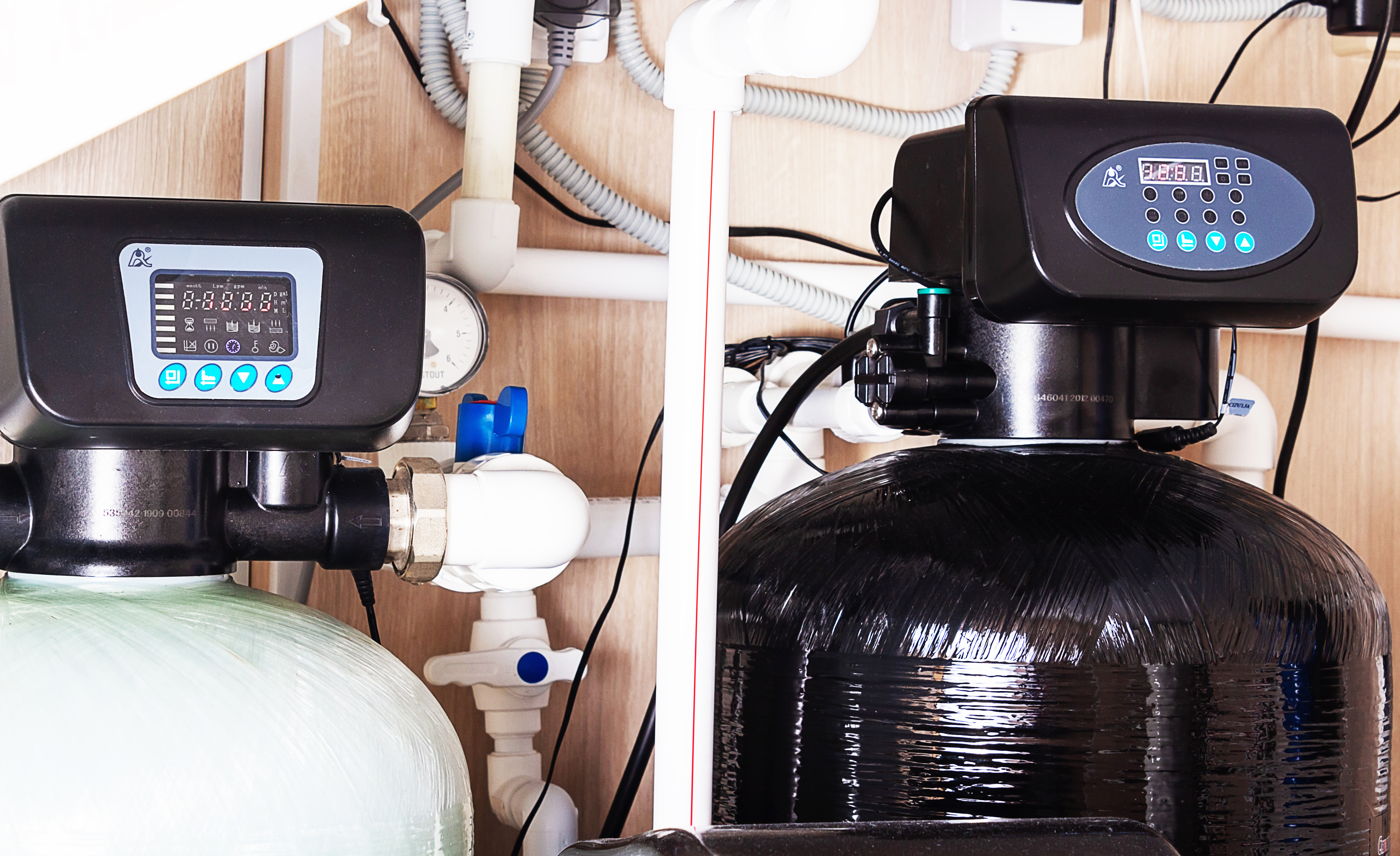
Water softeners function by removing or neutralizing minerals such as calcium and magnesium, thereby preventing scale formation and improving water quality. These systems are now available in various configurations, including traditional salt-based models, salt-free alternatives, and advanced smart systems integrated with digital technologies.
As urbanization accelerates and living standards improve globally, consumers are becoming more proactive in enhancing their home environments. Water quality is emerging as a key priority, positioning water softening systems as an integral component of modern households.
Key Market Drivers
1. Growing Concerns Over Hard Water Damage
One of the primary drivers of the residential water softening systems market is the increasing awareness of the damaging effects of hard water. Mineral deposits formed by hard water can accumulate in pipes, water heaters, and appliances, leading to reduced efficiency, higher energy consumption, and increased maintenance costs.
Over time, scaling can significantly shorten the lifespan of household appliances, prompting homeowners to seek preventive solutions. Water softening systems address these challenges by eliminating the root cause of scaling, thereby protecting investments and reducing long-term expenses.
2. Rising Focus on Health and Personal Care
Beyond infrastructure concerns, hard water has notable implications for personal health and hygiene. It can cause skin irritation, dryness, and hair damage, making it a common concern for households.
Soft water, on the other hand, is gentler on the skin and hair, enhancing overall comfort and well-being. This has contributed to the growing adoption of water softeners as part of a broader trend toward health-conscious living.
Consumers are increasingly viewing water quality as an extension of personal care, similar to skincare and wellness products, further driving demand.
3. Increasing Environmental Awareness
Sustainability is becoming a central theme in consumer decision-making. Traditional salt-based water softeners, while effective, have faced criticism for their environmental impact, particularly the discharge of brine waste into wastewater systems.
In response, there is a growing demand for eco-friendly alternatives such as salt-free systems and advanced technologies like Template Assisted Crystallization (TAC). These solutions offer effective water conditioning without the environmental drawbacks associated with conventional methods.
This shift toward sustainable solutions is not only influencing product development but also shaping purchasing decisions.
4. Adoption of Smart Home Technologies
The rise of smart home ecosystems is significantly influencing the water softening systems market. Consumers are increasingly seeking connected devices that offer convenience, automation, and real-time insights.
Smart water softeners equipped with IoT capabilities enable remote monitoring, usage tracking, and automatic regeneration scheduling. These features enhance efficiency and reduce manual intervention, making them highly attractive to tech-savvy households.
Integration with mobile applications further enhances user experience, allowing homeowners to manage their systems seamlessly.
Emerging Trends in the Residential Water Softening Systems Market
1. Shift Toward Compact and User-Friendly Designs
Manufacturers are focusing on developing compact, space-efficient water softening systems that cater to urban households with limited space. These designs are easier to install and maintain, making them accessible to a wider audience.
2. Growth of Salt-Free Technologies
Salt-free water softeners are gaining popularity due to their environmental benefits and lower maintenance requirements. These systems are particularly appealing to eco-conscious consumers seeking sustainable solutions.
3. Integration of Artificial Intelligence and Predictive Analytics
Advanced systems are incorporating AI-driven analytics to optimize performance and predict maintenance needs. This proactive approach enhances system efficiency and reduces downtime.
4. Expansion of E-commerce Channels
The rise of online retail platforms has transformed how consumers purchase water softening systems. E-commerce provides access to a wide range of products, detailed information, and customer reviews, enabling informed decision-making.
Competitive Analysis
- EcoWater Systems LLC
- Culligan International Company’s
- Kinetico Incorporated
- Hydroflux Engineering Pvt Ltd,
- Envicare Technologies Pvt. Ltd.
- Wychwood Water Systems Ltd.
- Harvey Water Softeners Ltd.
- BWT Holding GmbH
- Marlo Incorporated
- Monarch Water Ltd.
Customers can also request 10% free customization in this report.
Future Outlook
The future of the residential water softening systems market is promising, with sustained growth driven by technological advancements, rising consumer awareness, and increasing demand for sustainable solutions.
As water quality concerns continue to intensify, the adoption of water softening systems is expected to become more widespread. Innovations in smart technologies, eco-friendly solutions, and compact designs will further enhance market appeal.
Contact US:
Techsci Research LLC
420 Lexington Avenue, Suite 300,
New York, United States- 10170
Tel: +13322586602
Email: sales@techsciresearch.com
Web: https://www.techsciresearch.com/


Comments
Post a Comment