Oil And Gas Actuators Market 2031: Size, Trends, Growth Insights
According to TechSci Research report, “Oil And Gas Actuators Market Report – Global Industry Size, Share, Trends, Competition Forecast & Opportunities, 2031F”, The Global Oil And Gas Actuators Market will grow from USD 9.26 Billion in 2025 to USD 12.21 Billion by 2031 at a 4.72% CAGR.
This growth trajectory is underpinned by several macroeconomic and industry-specific factors, including rising global energy demand, increased investments in infrastructure modernization, and the integration of advanced technologies such as automation and digital monitoring systems. As oil and gas companies strive to enhance productivity while maintaining stringent safety and environmental standards, the demand for advanced actuator solutions is expected to rise significantly.
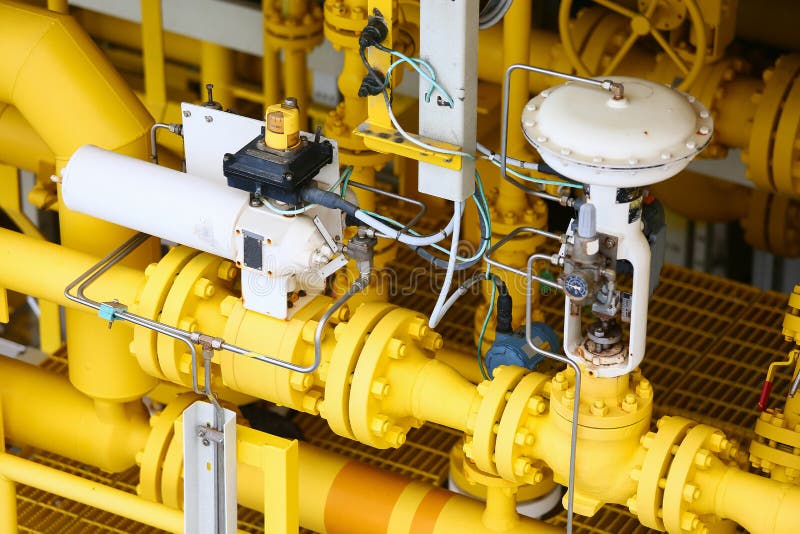
Industry Key Highlights
Increasing investments in pipeline infrastructure, LNG terminals, and petrochemical facilities are fueling market expansion.
The midstream segment dominates the market due to its extensive reliance on actuators for pipeline operations and fluid control.
Technological advancements, including smart actuators and IoT-enabled systems, are reshaping operational efficiency.
Growing emphasis on safety regulations and environmental compliance is driving the adoption of high-performance actuators.
Emerging economies in Asia-Pacific and the Middle East are witnessing significant infrastructure development, boosting demand.
Retrofitting and modernization of aging infrastructure present lucrative growth opportunities for manufacturers.
- Request For Sample Copy of Report For More Detailed Market insight: https://www.techsciresearch.com/sample-report.aspx?cid=24311#requestform
Market Dynamics
Growing Importance of Infrastructure Development
The expansion and modernization of oil and gas infrastructure globally remain one of the most influential drivers of the actuators market. As energy consumption continues to rise due to industrialization, urbanization, and population growth, countries are investing heavily in building new facilities and upgrading existing ones. This includes the development of pipelines, refineries, storage terminals, and liquefied natural gas (LNG) facilities.
Actuators are indispensable in these infrastructures, enabling precise control over flow rates, pressure, and operational safety. Their role extends beyond basic functionality, as they contribute to minimizing operational risks, reducing downtime, and ensuring seamless process management. The integration of advanced actuators into modern infrastructure supports improved reliability and long-term cost efficiency.
Rising Focus on Operational Efficiency
Operational efficiency has become a key priority for oil and gas companies aiming to remain competitive in a volatile market environment. Actuators contribute significantly to this objective by enhancing automation and enabling real-time control over critical processes.
Modern actuators are designed to deliver high precision, faster response times, and improved durability. These capabilities help operators optimize resource utilization, reduce energy consumption, and enhance overall system performance. As companies continue to focus on maximizing output while minimizing costs, the adoption of advanced actuator technologies is expected to increase.
Key Market Drivers
1. Expansion of Oil and Gas Exploration Activities
The increasing exploration and production (E&P) activities across both conventional and unconventional reserves are driving the demand for actuators. New discoveries of oil and gas fields, particularly in offshore and deepwater regions, require advanced equipment capable of operating in extreme conditions. Actuators used in such environments must offer high reliability, corrosion resistance, and the ability to function under high pressure and temperature.
2. Modernization of Aging Infrastructure
A significant portion of global oil and gas infrastructure is aging and requires upgrades or replacement. Outdated actuators often lack the efficiency, safety features, and technological capabilities needed for modern operations. This has led to a growing demand for next-generation actuators that provide enhanced performance, reduced maintenance requirements, and longer operational lifespans.
Retrofitting projects are becoming increasingly common, offering manufacturers opportunities to supply innovative solutions that align with current industry standards.
3. Stringent Safety and Regulatory Standards
Safety is a critical concern in the oil and gas industry due to the high-risk nature of operations. Regulatory bodies have established stringent standards to ensure safe and environmentally responsible practices. Actuators play a crucial role in meeting these standards by enabling precise control over critical processes and ensuring rapid response in emergency situations.
Emergency shutdown systems (ESDs), for instance, rely heavily on actuators to isolate sections of pipelines or equipment during faults, thereby preventing accidents and minimizing damage.
4. Increasing Adoption of Automation and Digitalization
The integration of automation and digital technologies is transforming the oil and gas sector. Smart actuators equipped with sensors, communication interfaces, and data analytics capabilities are becoming increasingly popular. These systems allow operators to monitor equipment performance in real time, predict maintenance requirements, and optimize operations.
Digitalization not only improves efficiency but also enhances decision-making by providing actionable insights derived from data analytics.
Emerging Trends in the Oil and Gas Actuators Market
Smart Actuators and IoT Integration
One of the most significant trends shaping the market is the adoption of smart actuators integrated with Internet of Things (IoT) technologies. These actuators can communicate with centralized control systems, providing real-time data on performance, temperature, pressure, and operational status.
This connectivity enables predictive maintenance, reducing unexpected failures and minimizing downtime. Companies are increasingly investing in such technologies to enhance asset reliability and operational efficiency.
Shift Towards Energy-Efficient Solutions
Energy efficiency is becoming a major focus area for oil and gas operators. Actuator manufacturers are developing solutions that consume less energy while delivering high performance. Electric actuators, for instance, are gaining popularity due to their lower environmental impact compared to pneumatic or hydraulic alternatives.
This trend aligns with global sustainability goals and helps companies reduce their carbon footprint.
Increasing Demand for Customization
The diverse nature of oil and gas operations requires customized actuator solutions tailored to specific applications. Manufacturers are focusing on offering flexible designs that can be adapted to various operational conditions, including extreme temperatures, corrosive environments, and high-pressure systems.
Customization not only enhances performance but also ensures compatibility with existing infrastructure.
Growth of LNG and Natural Gas Projects
The increasing focus on cleaner energy sources has led to a surge in LNG and natural gas projects worldwide. These projects require advanced actuator systems to manage complex processes involved in liquefaction, storage, and transportation.
As natural gas continues to gain prominence as a transitional energy source, the demand for actuators in this segment is expected to grow significantly.
Segmental Analysis
Dominance of the Midstream Segment
The midstream segment holds the largest share in the oil and gas actuators market, primarily due to its critical role in the transportation and storage of hydrocarbons. Pipelines, which form the backbone of midstream operations, require a vast number of actuators to control valves and regulate flow across extensive networks.
These pipelines often span thousands of kilometers and operate under varying environmental conditions, making reliable actuator performance essential. Actuators used in midstream applications must be durable, efficient, and capable of operating continuously without failure.
The expansion of pipeline networks, driven by increasing energy demand and cross-border trade, further reinforces the dominance of the midstream segment.
Upstream and Downstream Contributions
While midstream leads the market, upstream and downstream segments also contribute significantly to demand. In upstream operations, actuators are used in drilling rigs, wellheads, and production facilities, where precision and reliability are crucial.
In downstream operations, actuators play a vital role in refining processes, petrochemical production, and distribution systems. The complexity of these operations necessitates the use of advanced actuator technologies to ensure efficiency and safety.
Competitive Analysis
Key Players
Emerson Electric Co.
Rotork plc
Flowserve Corporation
Pentair Plc
Honeywell International Inc.
General Electric Company
AVK Group A/S
IMI plc
Customers can also request 10% free customization on this report.
Contact US:
Techsci Research LLC
420 Lexington Avenue, Suite 300,
New York, United States- 10170
Tel: +13322586602
Email: sales@techsciresearch.com
Web: https://www.techsciresearch.com/


Comments
Post a Comment