LPG Market 2030: Size Analysis, Share Insights, Price Trends & Industry Outlook
LPG, primarily composed of propane and butane, has emerged as a critical component in the global energy mix due to its lower carbon emissions compared to conventional fuels such as coal and biomass. Its portability, cost-effectiveness, and ability to be stored and transported easily make it particularly valuable in regions with limited access to centralized energy infrastructure. As governments worldwide intensify their efforts to transition toward cleaner energy systems, LPG is increasingly positioned as a transitional fuel that bridges the gap between traditional fossil fuels and renewable energy sources.
According to TechSci Research report, “LPG Market Price Forecast- Global Industry Size, Share, Trends, Opportunity, and Forecast, 2030F”, The Global LPG Market, valued at USD 129.60 Billion in 2024, is projected to experience a CAGR of 8.01% to reach USD 205.77 Billion by 2030. This growth trajectory reflects the expanding role of LPG as a cleaner, more efficient, and adaptable energy source across multiple sectors including residential, commercial, industrial, and transportation.
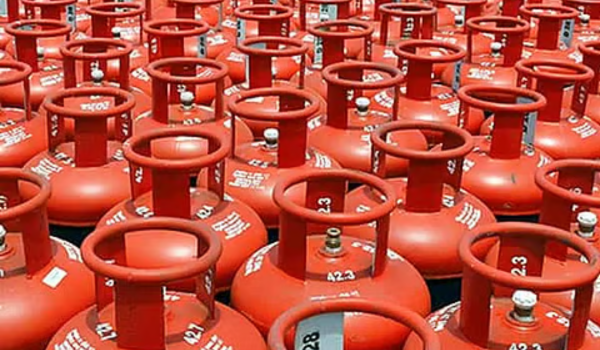
Industry Key Highlights
The global LPG market is projected to grow from USD 129.60 billion in 2024 to USD 205.77 billion by 2030, at a CAGR of 8.01%.
Increasing adoption of LPG as a clean cooking fuel in developing nations is a major growth driver.
The commercial segment dominates the market due to widespread use in hospitality, retail, and service industries.
LPG’s role as a petrochemical feedstock is expanding, especially in plastics and chemical manufacturing.
Rapid urbanization and industrialization are fueling demand for LPG across emerging economies.
Growing use of autogas in transportation is supporting environmental sustainability goals.
The Middle East & Africa region is emerging as a dominant market due to strong infrastructure and export capabilities.
Increasing integration of IoT and smart technologies in LPG systems is enhancing operational efficiency and safety.
Request For Sample Copy of Report For More Detailed Market insight: https://www.techsciresearch.com/sample-report.aspx?cid=22594#requestform
Market Dynamics
Expanding Role Across End-Use Industries
The versatility of LPG is one of its most defining characteristics. In the residential sector, LPG is widely used for cooking and heating, particularly in rural and semi-urban areas where pipeline gas infrastructure is lacking. Governments across Asia, Africa, and Latin America are promoting LPG adoption through subsidy programs and awareness campaigns aimed at reducing reliance on traditional biomass fuels.
In the commercial sector, LPG plays a pivotal role in powering kitchens, heating systems, and appliances in establishments such as restaurants, hotels, catering services, laundries, and healthcare facilities. Its clean-burning nature and precise temperature control make it an ideal choice for food preparation and other sensitive applications.
The industrial sector also relies heavily on LPG for various processes including metal cutting, drying, heating, and chemical synthesis. Its high calorific value and consistent energy output make it a reliable and cost-effective fuel for manufacturing operations.
Furthermore, LPG’s use in transportation as autogas is gaining traction, particularly in countries aiming to reduce vehicular emissions and dependency on gasoline and diesel. This trend is supported by favorable government policies, lower fuel costs, and the availability of conversion kits.
Emerging Trends in the LPG Market
1. Growing Adoption of Autogas
One of the most notable trends in the LPG market is the increasing use of LPG as an alternative automotive fuel. Autogas offers several advantages, including lower emissions of carbon monoxide, nitrogen oxides, and particulate matter. As cities grapple with rising air pollution levels, governments are incentivizing the adoption of cleaner fuels, positioning LPG as a viable solution for sustainable mobility.
2. Digitalization and Smart Monitoring
The integration of Internet of Things (IoT) technologies into LPG systems is transforming the way the fuel is stored, distributed, and consumed. Smart sensors and monitoring devices enable real-time tracking of LPG levels, leak detection, and predictive maintenance. These advancements enhance safety, improve efficiency, and reduce operational costs for businesses.
3. Expansion of LPG Infrastructure
Significant investments are being made in LPG infrastructure, including storage terminals, bottling plants, pipelines, and distribution networks. This expansion is particularly evident in emerging economies, where improving energy access is a key priority. Enhanced infrastructure ensures a stable supply chain and supports the growing demand for LPG.
4. Increasing Role in Petrochemical Industry
LPG is increasingly being used as a feedstock in the petrochemical industry for the production of olefins and other chemical derivatives. This trend is driven by the rising demand for plastics, synthetic materials, and specialty chemicals across various industries.
5. Shift Toward Sustainable Energy Mix
As the world transitions toward a low-carbon future, LPG is being recognized as a transitional fuel that complements renewable energy sources. Its lower carbon footprint compared to coal and oil makes it an attractive option for reducing greenhouse gas emissions while maintaining energy reliability.
Key Market Drivers
Rising Demand for Clean Energy
The global push toward cleaner energy sources is a major driver of LPG market growth. Governments and international organizations are actively promoting LPG as a cleaner alternative to traditional fuels, particularly in regions where biomass and coal are still widely used.
Urbanization and Industrial Growth
Rapid urbanization and industrialization in developing countries are fueling the demand for reliable and efficient energy sources. As cities expand and industries grow, the need for LPG in residential, commercial, and industrial applications continues to rise.
Government Initiatives and Subsidies
Various government programs aimed at promoting clean cooking fuels and reducing carbon emissions are supporting the adoption of LPG. Subsidies, tax incentives, and infrastructure investments are making LPG more accessible and affordable for consumers.
Technological Advancements
Innovations in LPG storage, transportation, and utilization are enhancing its efficiency and safety. Advanced appliances, automated systems, and digital monitoring solutions are improving user experience and operational performance.
Cost-Effectiveness and Versatility
LPG’s affordability and versatility make it a preferred choice across multiple sectors. Its ability to be used in diverse applications—from cooking and heating to industrial processes and transportation—adds to its appeal.
Regional Insights: Middle East & Africa Leading the Market
The Middle East & Africa region is poised to dominate the global LPG market, supported by its robust infrastructure, abundant natural resources, and strategic geographic location. Countries in this region have invested heavily in LPG production, storage, and transportation facilities, ensuring a steady supply for both domestic consumption and international exports.
Advanced refineries, storage terminals, and distribution networks enable efficient handling and distribution of LPG. Additionally, the region’s proximity to major global markets facilitates cost-effective exports, strengthening its position in the global energy landscape.
Competitive Analysis
- Saudi Arabian Oil Company (Saudi Aramco)
- Exxon Mobil Corporation
- Shell plc
- BP International Limited
- Chevron Corporation
- TotalEnergies SE
- Petroliam Nasional Berhad (PETRONAS)
- Phillips 66 Company
Future Outlook
The future of the global LPG market appears highly promising, driven by a combination of economic, environmental, and technological factors. As the world continues to transition toward cleaner energy systems, LPG is expected to play a crucial role as a bridging fuel that supports sustainability goals while ensuring energy security.
The increasing adoption of LPG in emerging economies, coupled with advancements in infrastructure and technology, will continue to drive market growth. The expansion of autogas, integration of digital solutions, and rising demand from the petrochemical industry will further enhance the market’s potential.
Contact US:
Techsci Research LLC
420 Lexington Avenue, Suite 300,
New York, United States- 10170
Tel: +13322586602
Email: sales@techsciresearch.com
Web: https://www.techsciresearch.com/
Comments
Post a Comment