LPG Cylinder Market Size in India: Growth Analysis, Share & Market Outlook Report
According to TechSci Research report, “LPG Cylinder Market Size in India - By Region, Competition, Forecast and Opportunities 2020-2030F”, India LPG Cylinder Market was valued at USD 2.1 billion in 2024 and is expected to reach at USD 3.07 Billion in 2030 and project robust growth in the forecast period with a CAGR of 6.4% through 2030. This growth trajectory is underpinned by increasing demand for cleaner cooking fuels, proactive government initiatives, and the expanding footprint of distribution infrastructure across urban and rural India.
Liquefied Petroleum Gas (LPG) cylinders have become synonymous with safe, efficient, and modern cooking solutions. For millions of Indian households, LPG represents not just a fuel choice but a lifestyle upgrade—replacing traditional biomass fuels such as firewood, coal, and kerosene that are associated with health hazards and environmental degradation. The shift toward LPG has been particularly pronounced in recent years, as India accelerates its efforts to improve air quality, reduce carbon emissions, and enhance the quality of life for its citizens.
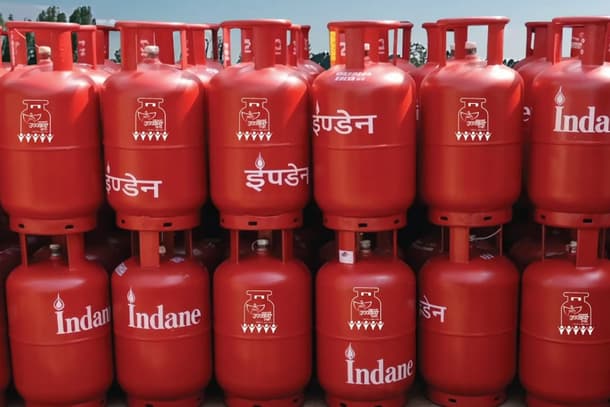
Industry Key Highlights
- Market projected to grow from USD 2.1 billion in 2024 to USD 3.07 billion by 2030
- CAGR of 6.4% driven by rising household adoption and infrastructure expansion
- Strong government push toward clean cooking fuel adoption
- Rapid growth in urban and semi-urban LPG consumption
- Increasing disposable income boosting demand for modern energy solutions
- West India emerging as the fastest-growing regional market
- Metal (steel) cylinders dominating due to durability and cost-effectiveness
- Rising awareness of health and environmental benefits accelerating adoption
Request For Sample Copy of Report For More Detailed Market insight: https://www.techsciresearch.com/sample-report.aspx?cid=15963#requestform
Market Overview
India’s LPG cylinder market is deeply intertwined with the country’s socio-economic progress. As households transition toward cleaner energy sources, LPG has emerged as a reliable and accessible solution for cooking and heating needs. The market encompasses a wide range of applications, including residential cooking, commercial usage, industrial processes, and transportation fuel.
The growing penetration of LPG in rural and underserved regions has been a game-changer. Government-led initiatives aimed at providing subsidized LPG connections have significantly expanded the consumer base, bridging the gap between urban and rural energy access. At the same time, the rising middle class is driving demand for premium LPG appliances and enhanced service delivery.
Key Market Drivers
1. Rising Disposable Income and Lifestyle Transformation
One of the most influential drivers of the LPG cylinder market is the steady increase in disposable income among Indian consumers. As households experience upward economic mobility, their preferences are shifting toward convenience, safety, and efficiency.
LPG cylinders are increasingly viewed as a necessity rather than a luxury. Higher income levels enable consumers to invest not only in LPG connections but also in associated appliances such as gas stoves, ovens, and heaters. This shift is particularly evident in urban and semi-urban areas, where modern lifestyles demand quick, clean, and reliable cooking solutions.
The growing middle class, characterized by higher education levels and greater environmental awareness, is also contributing to the transition away from traditional fuels. This demographic is more inclined to prioritize health and sustainability, further driving LPG adoption.
2. Government Initiatives and Policy Support
Government initiatives have played a transformative role in expanding LPG access across India. Large-scale programs aimed at providing subsidized LPG connections to low-income households have significantly increased penetration, particularly in rural areas.
These initiatives are not only improving living standards but also addressing critical issues such as indoor air pollution and deforestation. By encouraging the use of LPG, the government is promoting cleaner energy consumption while reducing reliance on biomass fuels.
In addition to subsidies, policy measures aimed at strengthening distribution networks and ensuring affordability are further supporting market growth.
3. Health and Environmental Awareness
The health risks associated with traditional cooking fuels have become a major concern, particularly in rural areas. Prolonged exposure to smoke from biomass fuels can lead to respiratory diseases and other health complications.
LPG offers a cleaner alternative, producing significantly fewer pollutants and improving indoor air quality. As awareness of these benefits grows, more households are making the switch to LPG.
Environmental considerations are also playing a crucial role. LPG emits lower levels of carbon dioxide and other greenhouse gases compared to conventional fuels, aligning with India’s sustainability goals.
4. Urbanization and Infrastructure Development
Rapid urbanization is reshaping India’s energy consumption patterns. As more people migrate to cities, the demand for efficient and convenient energy solutions is increasing.
Urban households are increasingly adopting LPG due to its ease of use, reliability, and compatibility with modern kitchens. At the same time, the expansion of distribution infrastructure is ensuring timely delivery and improved service quality.
The growth of residential complexes, commercial establishments, and industrial hubs is further boosting demand for LPG cylinders.
Emerging Trends in the India LPG Cylinder Market
1. Smart LPG Systems and IoT Integration
The integration of smart technologies is revolutionizing the LPG market. IoT-enabled devices and smart meters are enabling real-time monitoring of gas levels, enhancing safety and convenience for consumers.
Mobile applications and digital platforms are allowing users to book refills, track deliveries, and manage usage more efficiently.
2. Shift Toward Composite Cylinders
While metal cylinders dominate the market, composite cylinders made from glass fiber materials are gaining attention. These cylinders are lighter, corrosion-resistant, and offer enhanced safety features.
Although currently limited by higher costs, ongoing technological advancements are expected to improve their affordability and adoption.
3. Sustainability and Eco-Friendly Innovations
As sustainability becomes a priority, there is increasing focus on developing eco-friendly LPG solutions. This includes energy-efficient appliances and improved cylinder designs that minimize environmental impact.
Companies are also exploring ways to reduce carbon emissions throughout the supply chain.
4. Digitalization of Supply Chains
The adoption of digital technologies is improving supply chain efficiency. Advanced analytics, automation, and real-time tracking systems are enhancing inventory management and reducing operational costs.
Regional Insights: Growth of West India
West India has emerged as the fastest-growing region in the LPG cylinder market, driven by a combination of economic, demographic, and policy factors.
States such as Maharashtra, Gujarat, and Rajasthan are witnessing rapid urbanization and industrialization, leading to increased demand for LPG across residential and commercial sectors.
The region’s progressive approach to energy consumption, coupled with strong government support, has accelerated the transition to LPG. Rural and semi-urban areas in West India have also benefited from widespread adoption, supported by targeted initiatives and improved distribution networks.
Competitive Analysis
- Indian Oil Corporation Limited
- Bharat Petroleum Corporation Limited
- Hindustan Petroleum Corporation Limited
- GAIL (India) Limited
- Petronet LNG Limited
- Reliance Industries Limited
- TotalEnergies SE
- Shell PLC
- Mahanagar Gas Limited
- Indraprastha Gas Limited
Customers can also request for 10% free customization on this report.
Future Outlook
The future of the India LPG cylinder market is promising, with sustained growth driven by rising incomes, urbanization, and increasing awareness of clean energy solutions. As infrastructure continues to expand and new technologies are adopted, LPG will remain a key component of India’s energy landscape.
The ongoing transition toward cleaner fuels, supported by government initiatives and consumer demand, will further strengthen the market. Innovations in materials, digitalization, and sustainability will shape the next phase of growth.
Contact US:
Techsci Research LLC
420 Lexington Avenue, Suite 300,
New York, United States- 10170
Tel: +13322586602
Email: sales@techsciresearch.com
Web: https://www.techsciresearch.com/


Comments
Post a Comment