India City Gas Distribution Market 2030: Size, Share, Growth Analysis & Future Outlook
India City Gas Distribution Market: A Transformative Shift Toward Cleaner Energy and Sustainable Urbanization
According to TechSci Research report, “India City Gas Distribution Market – By Region, Competition, Forecast & Opportunities, 2020-2030F, The India City Gas Distribution Market was valued at USD 9.7 Billion in 2024 and is expected to reach USD 19.84 Billion by 2030 with a CAGR of 12.5% during the forecast period. This growth trajectory reflects not only increasing consumption of natural gas but also a broader structural shift in India’s energy ecosystem—from traditional fossil fuels to cleaner, more efficient alternatives.
City Gas Distribution plays a critical role in delivering natural gas to residential, commercial, industrial, and automotive sectors through pipelines and compressed natural gas (CNG) networks. As India continues its journey toward reducing carbon emissions and improving air quality, CGD emerges as a key enabler of cleaner urban living. The increasing adoption of piped natural gas (PNG) and CNG is transforming how cities consume energy, making them more sustainable, efficient, and environmentally responsible.
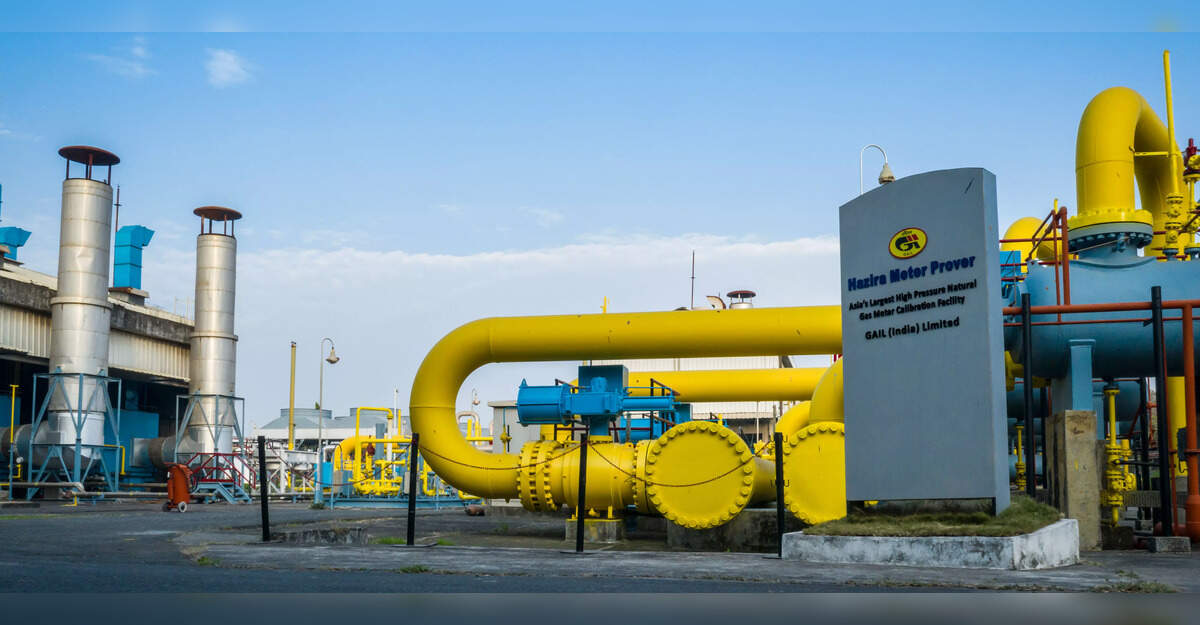
Industry Key Highlights
- The market is projected to nearly double in size, reaching USD 19.84 billion by 2030
- Strong CAGR of 12.5% driven by infrastructure expansion and policy support
- Rising adoption of CNG vehicles contributing significantly to demand
- Expansion of pipeline infrastructure under national initiatives
- Increasing industrial shift toward natural gas for cleaner operations
- International pipeline trade emerging as a dominant supply source
- Rapid penetration of PNG in residential and commercial sectors
- Growing investments from both public and private sector players
Request For Sample Copy of Report For More Detailed Market insight: https://www.techsciresearch.com/sample-report.aspx?cid=3111#requestform
Market Overview
India’s CGD market is evolving as a cornerstone of the country’s clean energy transition. With increasing urbanization, rising population density, and growing environmental concerns, the demand for efficient and low-emission fuel alternatives is accelerating. Natural gas, being significantly cleaner than coal and petroleum products, has emerged as a preferred energy source.
The government’s ambitious target to increase the share of natural gas in the energy mix from 6% to 15% by 2030 has further strengthened the importance of CGD networks. This shift is not merely about energy substitution—it represents a broader transformation in how India powers its cities, industries, and transportation systems.
Key Market Drivers
1. Government Initiatives and Policy Support
One of the most significant drivers of the CGD market is strong government backing. Initiatives such as the expansion of the national gas grid and programs aimed at increasing energy access are accelerating infrastructure development. Policies encouraging private sector participation and public-private partnerships are also creating a favorable investment environment.
The push toward cleaner fuels aligns with India’s global climate commitments, including reducing greenhouse gas emissions and improving air quality in urban centers. Regulatory frameworks are being continuously refined to streamline approvals and encourage faster rollout of CGD networks.
2. Rising Demand for Cleaner Energy
Environmental sustainability is at the heart of CGD market growth. Natural gas produces significantly lower emissions compared to coal and oil, making it an ideal transition fuel. Industries, households, and transportation sectors are increasingly adopting natural gas to reduce their carbon footprint.
Urban air pollution has become a critical issue in India, prompting authorities to promote CNG as an alternative fuel for vehicles. This shift is not only reducing emissions but also lowering fuel costs for consumers, further boosting adoption.
3. Industrial Sector Transformation
Industries across sectors such as manufacturing, chemicals, textiles, and food processing are transitioning to natural gas due to its efficiency and environmental benefits. Natural gas enables cleaner combustion, reduces maintenance costs, and improves operational efficiency.
Combined Heat and Power (CHP) systems powered by natural gas are gaining traction, allowing industries to generate both electricity and heat simultaneously. This dual efficiency is driving increased demand for CGD networks in industrial clusters.
4. Expansion of CNG Infrastructure
The rapid growth of CNG-powered vehicles is another critical driver. With increasing concerns over vehicular emissions, governments are promoting CNG adoption through subsidies, infrastructure development, and regulatory mandates.
The expansion of CNG refueling stations across urban and semi-urban areas is making it more convenient for consumers to switch from petrol and diesel. Public transportation systems, including buses and auto-rickshaws, are increasingly transitioning to CNG, further driving demand.
Emerging Trends in the India CGD Market
1. Digitalization of Gas Distribution Networks
The integration of digital technologies such as IoT, AI, and data analytics is transforming CGD operations. Smart meters, real-time monitoring systems, and predictive maintenance tools are enhancing efficiency and reducing operational costs.
Digital platforms are also improving customer experience by enabling online billing, consumption tracking, and service management.
2. Integration with Renewable Energy
As India moves toward a greener energy mix, there is growing interest in integrating natural gas with renewable energy sources. Hybrid systems combining solar power and gas-based energy are emerging as efficient solutions for urban and industrial applications.
This integration not only enhances energy reliability but also supports sustainability goals.
3. Expansion into Tier-2 and Tier-3 Cities
The CGD market is no longer limited to metropolitan areas. Increasing investments are being directed toward expanding infrastructure in smaller cities and towns. This expansion is unlocking new growth opportunities and ensuring broader access to clean energy.
4. Adoption of LNG in Transportation
Liquefied Natural Gas (LNG) is gaining traction as an alternative fuel for heavy-duty vehicles and long-haul transportation. LNG offers higher energy density and is more suitable for long-distance travel, complementing the growth of CNG in urban mobility.
Competitive Analysis:
- Gujarat Gas Limited (GGCL)
- Indraprastha Gas Limited (IGL)
- GAIL Gas Limited
- Mahanagar Gas Limited (MGL)
- Adani Gas Limited
- Maharashtra Natural Gas Limited (MNGL)
- Central U.P. Gas Limited (CUGL)
- Bhagyanagar Gas Limited (BGL)
- Tripura Natural Gas Company Limited (TNGCL)
- Sabarmati Gas Limited (SGL)
-
Customers can also request for 10% free customization on this report.
Future Outlook
The future of the India City Gas Distribution market looks highly promising, with strong growth driven by policy support, technological advancements, and increasing demand for clean energy. As infrastructure continues to expand and new regions are integrated into the gas grid, the market is expected to witness widespread adoption across sectors.
The transition toward a gas-based economy will play a pivotal role in shaping India’s energy landscape. With continued investments, regulatory support, and technological innovation, CGD networks will become an integral part of urban and industrial development.
Contact US:
Techsci Research LLC
420 Lexington Avenue, Suite 300,
New York, United States- 10170
Tel: +13322586602
Email: sales@techsciresearch.com
Web: https://www.techsciresearch.com/


Comments
Post a Comment