India ADAS Market 2030: Industry Outlook & Market Size
Introduction
According to TechSci Research report, “India ADAS Market - By Region, Competition, Forecast and Opportunities 2020-2030F”, India Advanced Driving Assistance System Market was valued at USD 2.6 Billion in 2024 and is expected to reach at USD 6.9 Billion in 2030 and project robust growth in the forecast period with a CAGR of 17.5% through 2030.
ADAS technologies, which include features such as adaptive cruise control, lane departure warning, collision avoidance systems, and driver monitoring, are redefining the driving experience by enhancing safety, comfort, and efficiency. These systems act as critical enablers in reducing road accidents, improving traffic management, and paving the way toward autonomous driving.
Industry Key Highlights
The India ADAS market is projected to grow nearly threefold between 2024 and 2030.
Increasing adoption of electric vehicles (EVs) and autonomous technologies is a major growth catalyst.
Camera-based ADAS technology dominates due to cost-effectiveness and versatility.
South India is emerging as the fastest-growing regional market.
Rising consumer awareness regarding vehicle safety is driving demand for ADAS features.
Government regulations and safety mandates are accelerating market adoption.
Integration of AI, IoT, and advanced sensors is enhancing ADAS capabilities.
Growing investments from global automotive and technology companies are fueling innovation.
- Request For Sample Copy of Report For More Detailed Market insight: https://www.techsciresearch.com/sample-report.aspx?cid=24653#requestform
Market Overview
India’s ADAS market is undergoing a transformative phase, driven by advancements in automotive technology and increasing safety concerns. The country has one of the highest rates of road accidents globally, prompting both government bodies and automotive manufacturers to prioritize safety enhancements.
ADAS technologies are no longer limited to luxury vehicles; they are gradually being integrated into mid-range and even entry-level vehicles. This democratization of safety features is significantly expanding the market base.
The rise of connected vehicles, advancements in sensor technologies, and the increasing adoption of digital platforms are further contributing to the growth of the ADAS market. As automotive manufacturers continue to innovate and introduce advanced features, the market is expected to witness sustained expansion.
Key Market Drivers
1. Rise of Electric and Autonomous Vehicles
The growing adoption of electric vehicles (EVs) and the development of autonomous driving technologies are among the most significant drivers of the ADAS market in India. EVs rely heavily on advanced technologies to optimize performance, improve energy efficiency, and enhance user experience.
In autonomous vehicles, ADAS serves as the foundational technology, enabling functions such as object detection, navigation, and decision-making. Features like adaptive cruise control, lane-keeping assistance, and collision avoidance are essential for the safe operation of self-driving systems.
The increasing investments in EV infrastructure and autonomous driving research are further accelerating the adoption of ADAS technologies.
2. Increasing Focus on Road Safety
Road safety has become a critical concern in India, with rising accident rates highlighting the need for advanced safety solutions. ADAS technologies play a crucial role in preventing accidents by assisting drivers and reducing human error.
Governments and regulatory authorities are introducing policies and mandates to encourage the adoption of safety features in vehicles. This regulatory push is significantly driving the demand for ADAS systems.
3. Technological Advancements in Sensor Systems
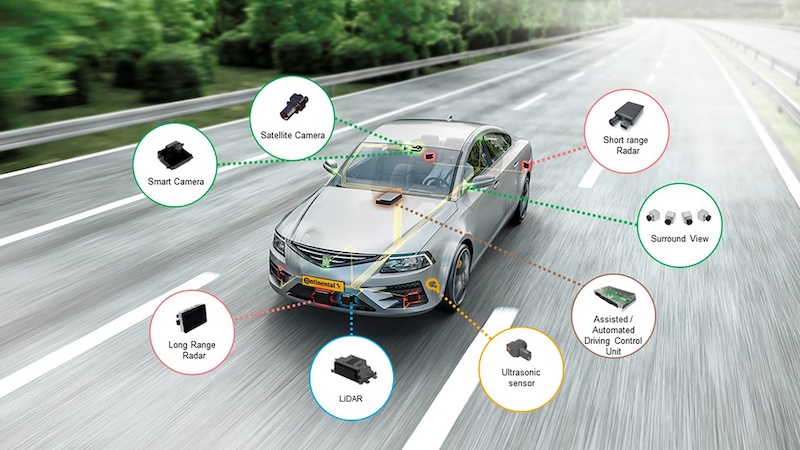
Advancements in sensor technologies, including cameras, RADAR, and LiDAR, are enhancing the performance and reliability of ADAS systems. These technologies enable vehicles to detect and respond to their surroundings in real time.
The integration of artificial intelligence and machine learning algorithms further improves the accuracy and efficiency of ADAS functionalities, making them more effective in complex driving conditions.
4. Growing Consumer Awareness and Demand
Consumers in India are becoming increasingly aware of vehicle safety features and their importance. This awareness is driving demand for vehicles equipped with advanced driver assistance systems.
The rising middle-class population, coupled with increasing disposable income, is enabling consumers to invest in vehicles with enhanced safety and comfort features.
5. Expansion of Automotive Industry
India’s automotive industry is one of the largest in the world, and its continued growth is contributing to the expansion of the ADAS market. The presence of major automotive manufacturers and the increasing production of vehicles are creating a strong demand for advanced technologies.
Emerging Trends in the India ADAS Market
1. Integration of AI and Machine Learning
Artificial intelligence and machine learning are transforming ADAS technologies by enabling predictive and adaptive functionalities. These technologies allow systems to learn from data, improve over time, and provide more accurate responses.
2. Development of Semi-Autonomous and Autonomous Vehicles
The shift toward autonomous mobility is gaining momentum in India. ADAS technologies are evolving to support higher levels of automation, paving the way for self-driving vehicles.
3. Growth of Connected Vehicle Ecosystems
Connected vehicles, which communicate with other vehicles and infrastructure, are becoming increasingly popular. ADAS systems are being integrated with connectivity solutions to enhance safety and efficiency.
4. Increased Adoption in Mid-Range Vehicles
As technology costs decline, ADAS features are being introduced in mid-range and budget vehicles. This trend is expanding the market and making advanced safety technologies accessible to a wider audience.
5. Focus on Smart Cities and Infrastructure
The development of smart cities and advanced infrastructure is supporting the adoption of ADAS technologies. Improved road networks and traffic management systems enhance the effectiveness of ADAS solutions.
Technology Insights
Camera-Based Technology: The Dominant Segment
Camera-based ADAS technology holds the largest market share and is expected to maintain its dominance throughout the forecast period. These systems provide high-resolution imaging, enabling accurate detection of road conditions, traffic signs, and obstacles.
The cost-effectiveness and versatility of camera systems make them a preferred choice for automotive manufacturers. Additionally, advancements in image processing and integration with other sensors are enhancing their performance.
While RADAR and LiDAR technologies offer complementary capabilities, camera-based systems remain the backbone of ADAS due to their broad applicability and affordability.
Regional Insights
South India: The Fastest-Growing Region
South India has emerged as a key growth hub for the ADAS market, driven by strong industrial and technological ecosystems. States such as Tamil Nadu, Karnataka, and Andhra Pradesh are leading the adoption of advanced automotive technologies.
Cities like Chennai and Bangalore serve as major automotive and technology hubs, fostering innovation and development. The presence of manufacturing facilities, research centers, and startups is accelerating the integration of ADAS technologies.
The region’s growing urban population, increasing disposable income, and rising demand for advanced vehicles are further contributing to market growth. Additionally, government initiatives and infrastructure development are creating a favorable environment for ADAS adoption.
Competitive Analysis
The India ADAS market is highly competitive, with the presence of global automotive technology providers and emerging local players. Companies are focusing on innovation, partnerships, and product development to strengthen their market position.
Key Competitive Strategies
Innovation and R&D: Continuous investment in advanced technologies
Strategic Collaborations: Partnerships with automotive manufacturers and tech firms
Product Differentiation: Development of unique and advanced features
Market Expansion: دخول new regions and customer segments
Major Market Players
- Robert Bosch GmbH
- Continental AG
- Denso Corporation
- Harman International Industries, Inc
- Valeo SE
- ZF Friedrichshafen AG
- Aptiv PLC
- Phinia Inc.
- Nvidia Corporation
- Samsung Electronics Co., Ltd
Future Outlook
The future of the India ADAS market is highly promising, with strong growth expected across all segments. As technology continues to evolve, ADAS systems will become more advanced, reliable, and accessible.
The integration of AI, IoT, and connectivity will enhance the capabilities of ADAS, enabling higher levels of automation and improved safety. The expansion of EVs and autonomous vehicles will further drive the demand for ADAS technologies.
Government initiatives promoting road safety and digital transformation will continue to support market growth. Additionally, the development of smart infrastructure and connected ecosystems will create new opportunities for innovation.
As consumer expectations evolve and technology becomes more affordable, ADAS is expected to become a standard feature in vehicles, transforming the future of mobility in India.
Also Browse:
Contact US:
Techsci Research LLC
420 Lexington Avenue, Suite 300,
New York, United States- 10170
Tel: +13322586602
Email: sales@techsciresearch.com
Web: https://www.techsciresearch.com/

Comments
Post a Comment