Cold Chain Monitoring Market 2030: Size, Trends, Growth Insights
Industry Overview
The Global Cold Chain Monitoring Market Size is undergoing a profound transformation, emerging as one of the most critical components in modern supply chain ecosystems. Valued at USD 23.02 billion in 2025, the market is projected to reach an impressive USD 81.77 billion by 2031, registering a remarkable CAGR of 23.52% during the forecast period. This exponential growth trajectory highlights the increasing importance of maintaining product integrity, safety, and compliance across temperature-sensitive supply chains.
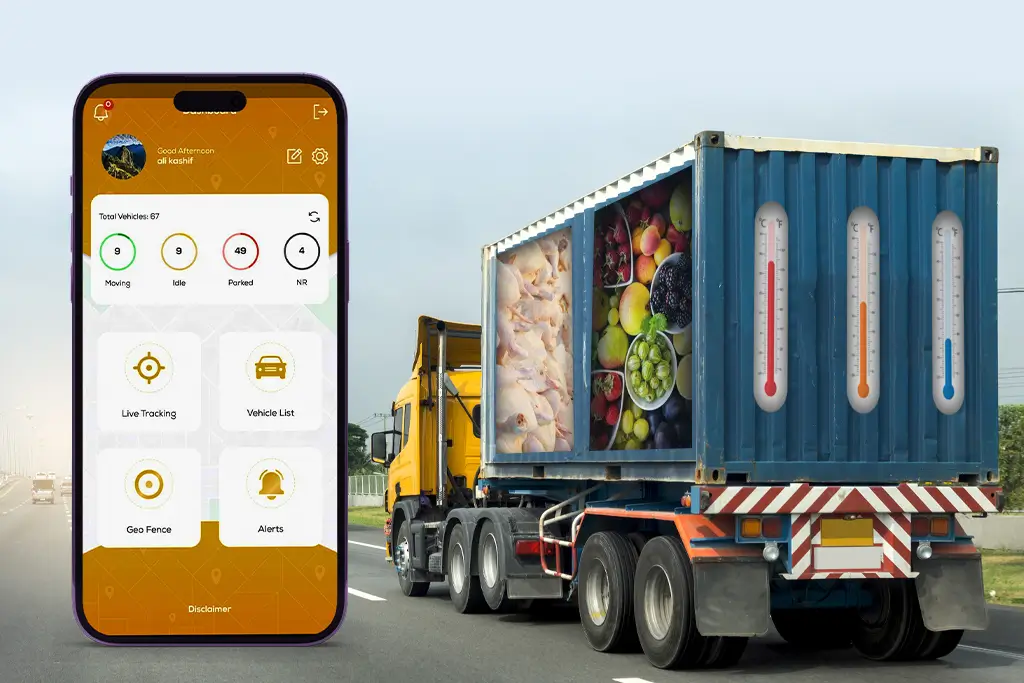
Cold chain monitoring refers to the process of tracking and maintaining the optimal temperature conditions of perishable goods throughout storage, transportation, and distribution. These systems incorporate advanced technologies such as IoT sensors, GPS tracking, cloud computing, and data analytics to provide real-time insights into temperature fluctuations, humidity levels, and environmental conditions.
Initially associated primarily with the food and pharmaceutical sectors, cold chain monitoring has now transcended its traditional boundaries. It has become a cornerstone of operational efficiency, regulatory compliance, and quality assurance across a wide array of industries. The integration of intelligent monitoring solutions is reshaping logistics, enabling businesses to minimize losses, ensure product safety, and enhance supply chain transparency.
Request For Sample Copy of Report For More Detailed Market insight: https://www.techsciresearch.com/sample-report.aspx?cid=16491#requestform
Industry Key Highlights
Market valued at USD 23.02 billion in 2025
Expected to reach USD 81.77 billion by 2031
CAGR of 23.52% during the forecast period
Rising demand for temperature-sensitive product logistics
Increasing adoption of IoT and real-time monitoring technologies
Food & Beverages segment dominates market share
Growing regulatory compliance requirements globally
North America leads due to advanced infrastructure and regulations
Key Market Drivers
1. Rising Demand for Perishable Goods
One of the primary drivers of the cold chain monitoring market is the increasing global demand for perishable goods, including fresh food, dairy products, seafood, and pharmaceuticals. Changing consumer lifestyles, urbanization, and rising disposable incomes have significantly increased the consumption of processed and packaged food.
The expansion of global trade has further amplified the need for reliable cold chain systems. Products often travel across long distances and multiple checkpoints, making temperature control essential to preserve quality and prevent spoilage.
2. Growth of Pharmaceutical and Healthcare Industry
The pharmaceutical sector is a major contributor to the growth of cold chain monitoring systems. Many vaccines, biologics, and specialty drugs require strict temperature control to maintain efficacy.
The global focus on healthcare infrastructure, coupled with increased vaccination programs and biopharmaceutical innovations, has heightened the demand for precise and reliable monitoring systems. Any deviation in temperature can compromise product effectiveness, making cold chain monitoring indispensable.
3. Expansion of E-commerce and Last-Mile Delivery
The rapid growth of e-commerce, particularly in grocery and food delivery services, has significantly boosted the demand for cold chain logistics. Consumers now expect fresh and high-quality products delivered directly to their doorstep.
This shift has created a need for advanced monitoring solutions that ensure temperature control during last-mile delivery. Real-time tracking and alerts help logistics providers maintain product quality and enhance customer satisfaction.
4. Stringent Regulatory Requirements
Governments and regulatory bodies worldwide are implementing strict guidelines for the storage and transportation of temperature-sensitive goods. Compliance with these regulations is critical for businesses operating in the food and pharmaceutical sectors.
Cold chain monitoring systems help organizations adhere to these standards by providing accurate data, audit trails, and compliance reporting. This has led to increased adoption of monitoring technologies across industries.
5. Increasing Investment in Cold Chain Infrastructure
Significant investments are being made globally to develop and upgrade cold chain infrastructure. This includes refrigerated warehouses, transportation networks, and distribution centers.
Emerging economies, in particular, are focusing on improving their cold storage capabilities to reduce food wastage and support agricultural growth. These developments are driving the adoption of advanced monitoring solutions.
Emerging Trends in the Cold Chain Monitoring Market
1. Integration of Internet of Things (IoT)
The adoption of IoT technology is revolutionizing the cold chain monitoring landscape. IoT-enabled sensors provide real-time data on temperature, humidity, and location, enabling proactive decision-making.
These smart systems can automatically trigger alerts in case of deviations, allowing immediate corrective actions. The integration of IoT enhances visibility, reduces risks, and improves overall supply chain efficiency.
2. Use of Artificial Intelligence and Predictive Analytics
Artificial intelligence is playing an increasingly important role in cold chain monitoring. AI-powered analytics can predict potential disruptions, identify patterns, and optimize logistics operations.
Predictive maintenance of equipment, route optimization, and demand forecasting are some of the key benefits of AI integration. This not only reduces operational costs but also enhances reliability.
3. Blockchain for Transparency and Traceability
Blockchain technology is gaining traction in cold chain management for its ability to provide secure and transparent data sharing. It ensures that all stakeholders have access to accurate and tamper-proof information.
This is particularly important in industries such as pharmaceuticals, where traceability is critical for ensuring product authenticity and safety.
4. Automation and Smart Logistics
Automation is transforming cold chain operations, from automated warehouses to robotic handling systems. These technologies improve efficiency, reduce human error, and enhance operational speed.
Smart logistics solutions, including autonomous vehicles and drones, are also being explored for temperature-controlled deliveries.
5. Focus on Sustainability
Sustainability is becoming a key focus area for cold chain operations. Companies are adopting energy-efficient technologies, eco-friendly refrigerants, and optimized logistics to reduce their environmental impact.
This trend aligns with global sustainability goals and regulatory requirements, driving innovation in the market.
Market Segmentation Analysis
By Component
Hardware
Software
Hardware components, including sensors and data loggers, form the backbone of cold chain monitoring systems. However, software solutions are gaining prominence due to their ability to provide analytics, reporting, and remote monitoring capabilities.
By Application
Food & Beverages – Dominant Segment
The food and beverages segment holds the largest share in the global cold chain monitoring market. The increasing demand for processed and frozen foods, coupled with changing consumer preferences, is driving this growth.
E-commerce platforms and food delivery services are further contributing to the demand for cold chain solutions, particularly in last-mile delivery.
Pharmaceuticals – Rapidly Growing Segment
The pharmaceutical segment is witnessing significant growth due to the rising demand for temperature-sensitive drugs and vaccines. The need for precise monitoring and compliance with regulatory standards is driving the adoption of advanced systems.
Regional Insights
North America – Market Leader
North America dominates the global cold chain monitoring market due to its well-established infrastructure and stringent regulatory environment.
Key Factors Driving Growth:
Advanced cold storage and transportation systems
Strong presence of food and pharmaceutical industries
Strict compliance requirements
High adoption of advanced technologies
The region’s focus on innovation and quality assurance continues to drive market growth.
Competitive Analysis
- ELPRO-BUCHS AG
- ELPRO-BUCHS AG
- CARRIER
- Berlinger & Co. AG
- Savi Technology
- ORBCOMM
- GEOTAB INC.
- Monnit Corporation
- Controlant
- ZEST LABS, INC.
- INFRATAB, INC.
Customers can also request for 10% free customization on this report.
Contact US:
Techsci Research LLC
420 Lexington Avenue, Suite 300,
New York, United States- 10170
Tel: +13322586602
Email: sales@techsciresearch.com
Web: https://www.techsciresearch.com/


Comments
Post a Comment